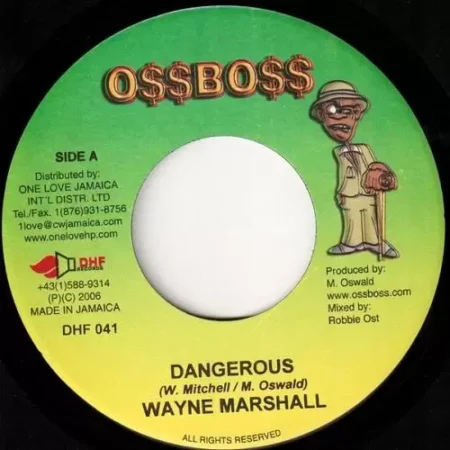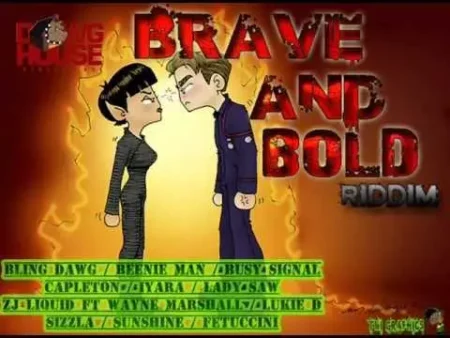
Wayne Marshall is one of Jamaican dancehall’s most versatile
voices, an artist who built his name on sharp melodies, streetwise
energy, and an easy ability to move between rugged deejay cuts and
more crossover-friendly songs. Born Wayne Mitchell in Barbican
Heights, Kingston, he grew up around the sounds and rhythms of the
city before his family later moved to Spanish Town, where his
connection to music deepened through his proximity to King Jammy’s
studio scene. He attended Wolmer’s Boys’ School, but it was the
pull of dancehall that shaped his path.
Marshall’s career gathered real momentum in the early 2000s, when
he began recording and touring with Bounty Killer and became part
of a wave of artists bringing dancehall to broader audiences. His
debut album, Marshall Law, arrived in 2003 on VP Records and helped
establish his reputation for a style that mixed hard-edged patter
with a more accessible, melodic sensibility. He followed it with
Forbidden Fruit and later Tru Story!, projects that showed he was
not simply a singles artist but a performer capable of carrying
full releases with consistency and personality.
What has always set Wayne Marshall apart is his range. He can step
into a club-ready anthem, ride a classic riddim, or bring a
lighter, more playful touch to a collaboration without losing his
Jamaican core. That flexibility made him a natural fit for
high-profile pairings, and he became especially well known for work
alongside Beenie Man, Sean Paul, Elephant Man, and other leading
names in the genre. He also crossed into the international
mainstream through appearances such as the remix of Jamie Foxx’s
“Blame It,” which introduced his voice to listeners outside the
reggae and dancehall base.
In the 2010s, Marshall continued to keep his catalog moving with
projects that balanced modern production and traditional dancehall
instincts. Tru Colors, released through Damian Marley’s Ghetto
Youths International, marked another important step in his career,
while songs like “Streets So Warm” and “Jamaican Mannaz” reflected
both his adaptability and his connection to Jamaican culture and
values. Rather than leaning on one defining era, Wayne Marshall has
stayed relevant by working across styles, collaborating widely, and
remaining a reliable presence in dancehall’s evolving
landscape.