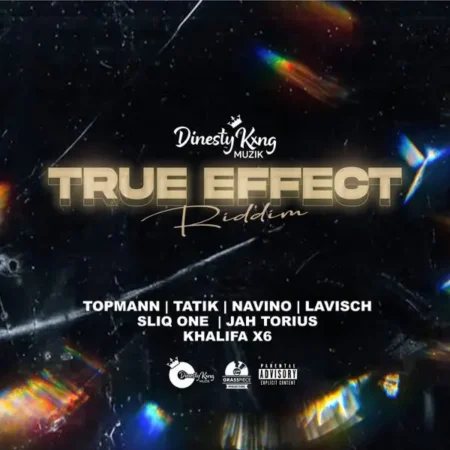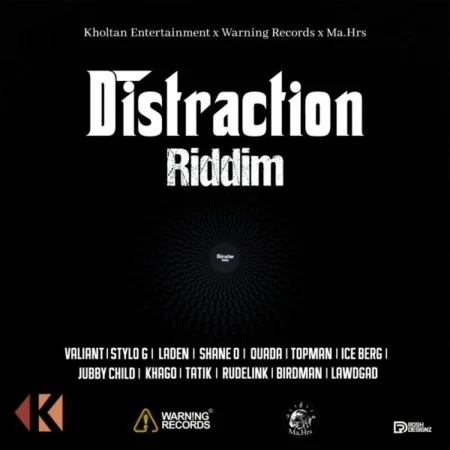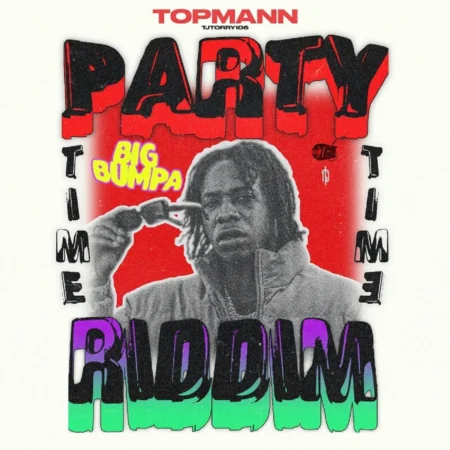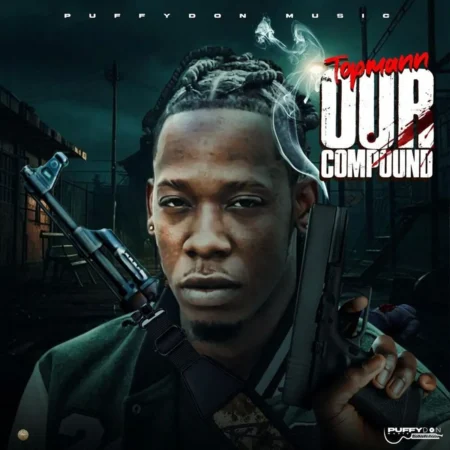
Topmann is a Jamaican dancehall artist from Catherine Hall in
Montego Bay, St. James, who has built his name around sharp deejay
delivery, streetwise songwriting, and songs that speak to ambition,
struggle, and self-belief. Born Jamario Hines, he grew up around
music and has said his father, reggae artist Iyah Syte, helped
introduce him to the craft, giving his sound an early link to
Jamaica’s wider reggae tradition. That background shows up in the
way Topmann balances tough dancehall energy with a more reflective,
narrative style.
He first began drawing wider attention with tracks like “Gyal Code”
and later continued to sharpen his profile through songs that
caught on with listeners looking for grounded, relatable dancehall.
His writing often sits close to everyday life in Jamaica,
especially the pressure to level up, stay focused, and keep moving
forward even when circumstances are difficult. That approach has
made him feel less like a passing trend and more like an artist
speaking directly from his own environment.
Topmann’s catalog has also shown a willingness to move between
hard-edged anthems and songs with a more motivational tone.
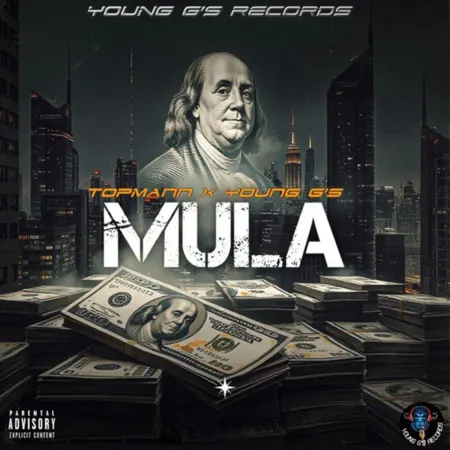
Releases such as “Fighter” and “Mula” fit that lane well, pairing
his direct voice with themes of resilience, hustle, and endurance.
He has described some of his music as meant to inspire younger
listeners, especially those coming from communities where success
can feel far away. That gives his work a practical emotional
center: the songs are built for dancehall, but they are grounded in
lived experience.
As his name has circulated more widely, Topmann has continued to
appear as part of the new generation of Jamaican dancehall acts
carrying the genre into fresh spaces without abandoning its core
character. Performances at major local events and a growing run of
releases have helped establish him as an artist with momentum,
while his style remains rooted in the cadence, attitude, and
storytelling that keep dancehall connected to everyday Jamaican
life. He is still early in his career, but the direction is already
clear: Topmann is shaping a voice that is confident, personal, and
firmly tied to the realities that inspire it.