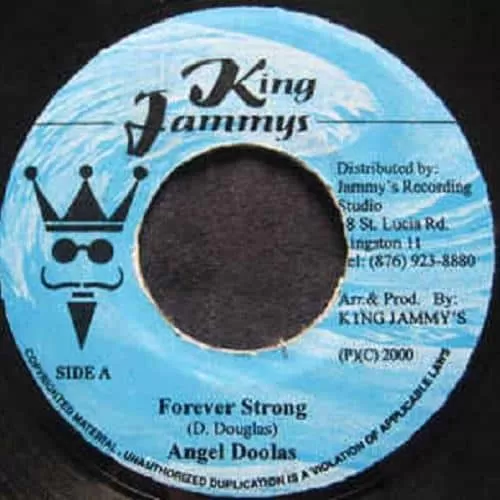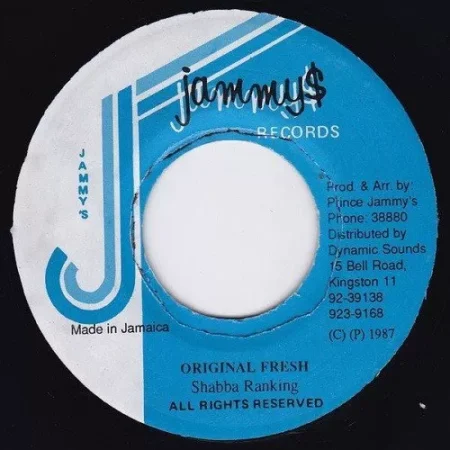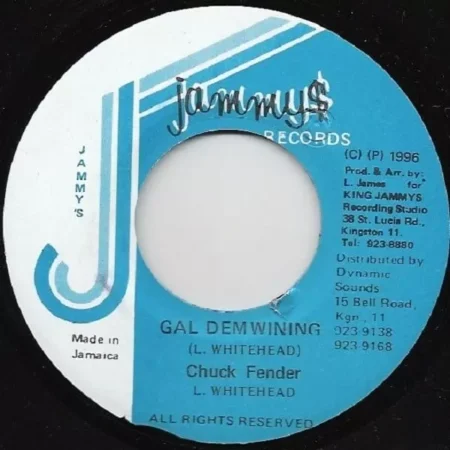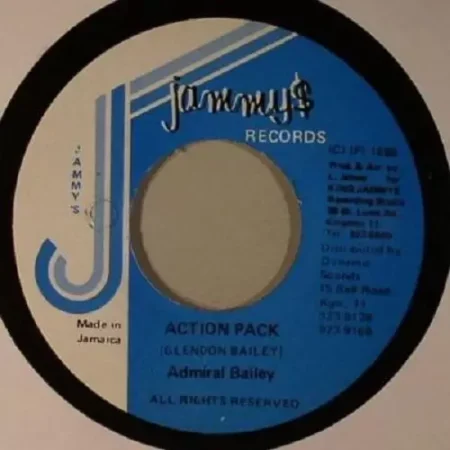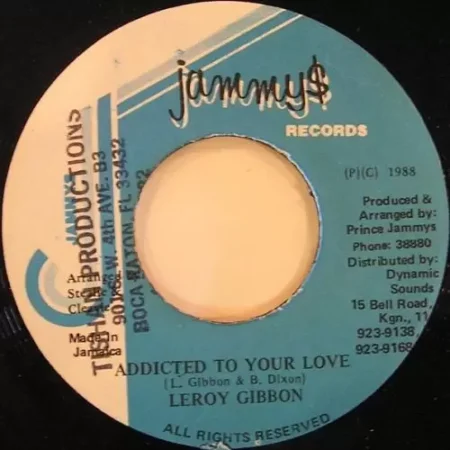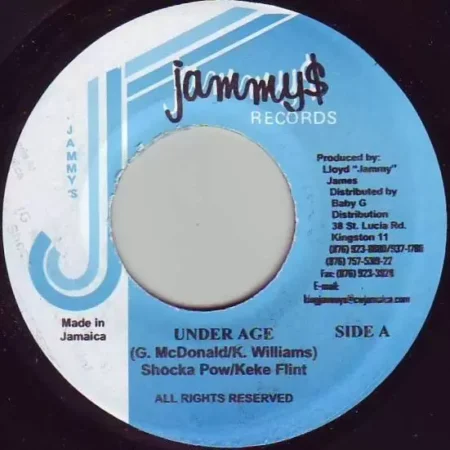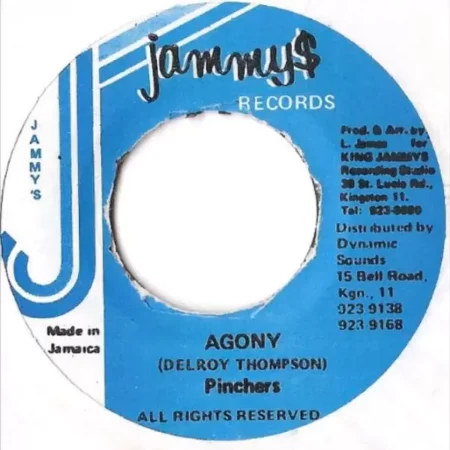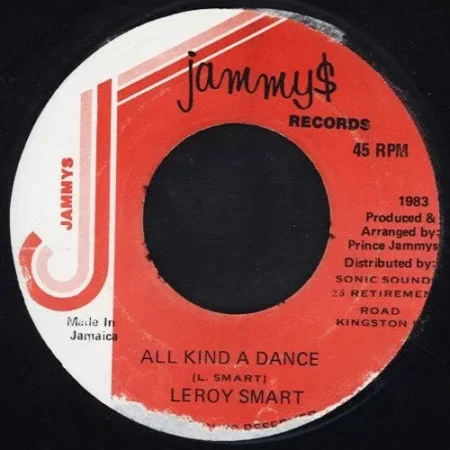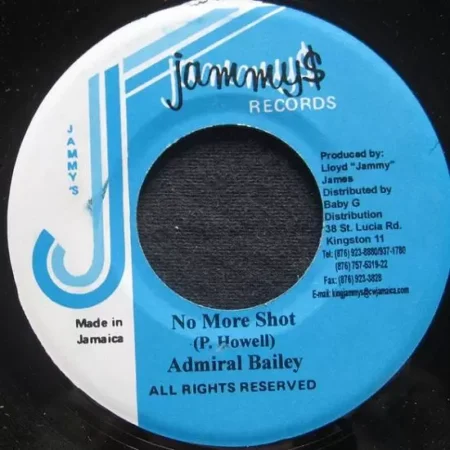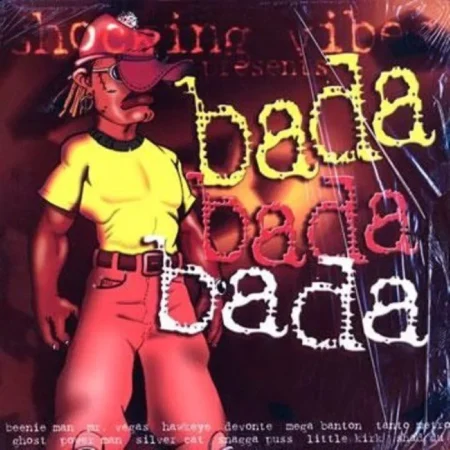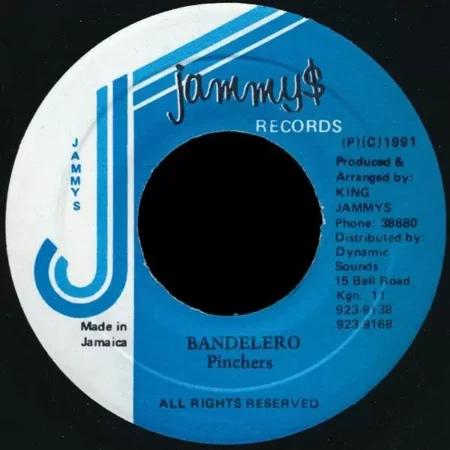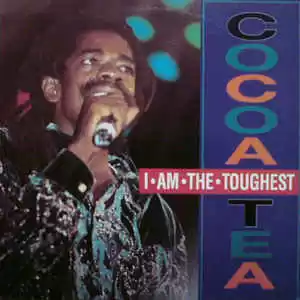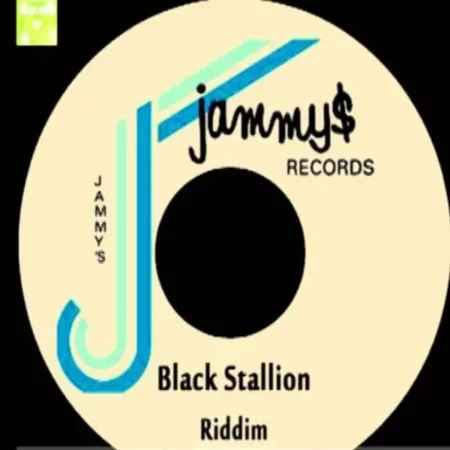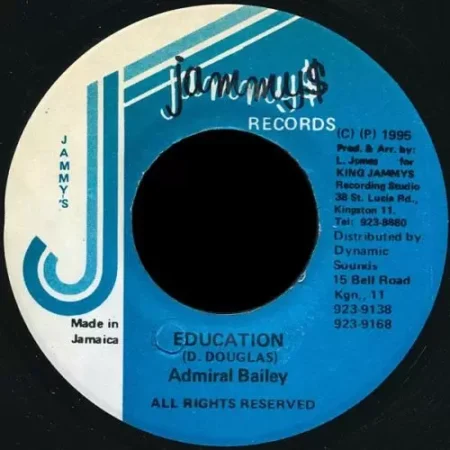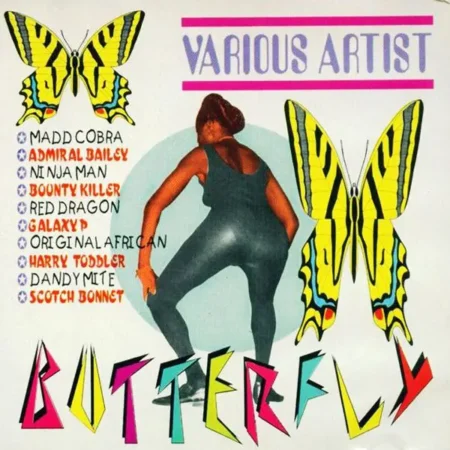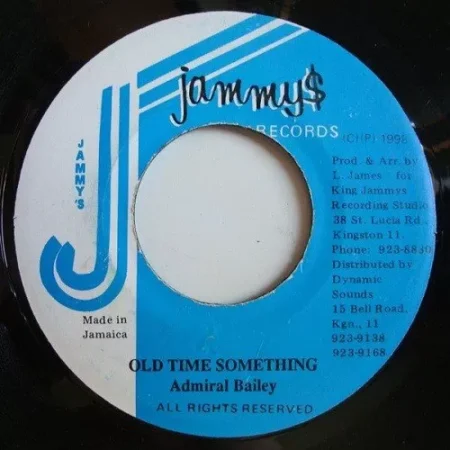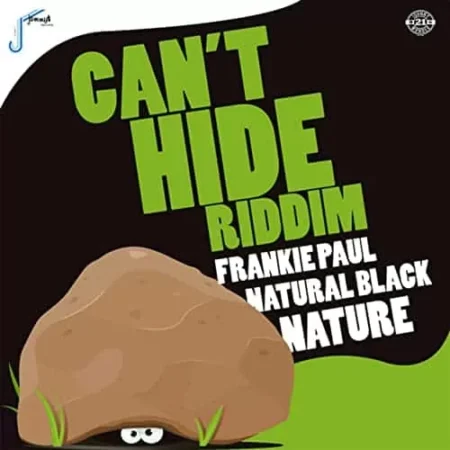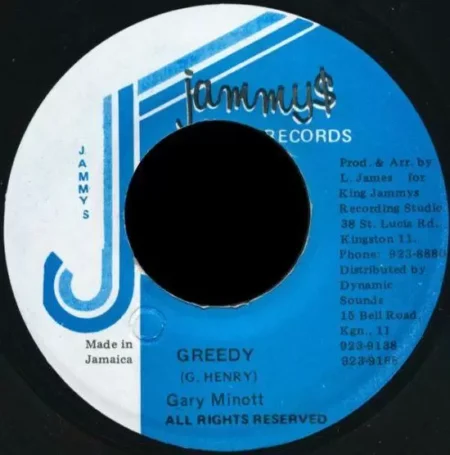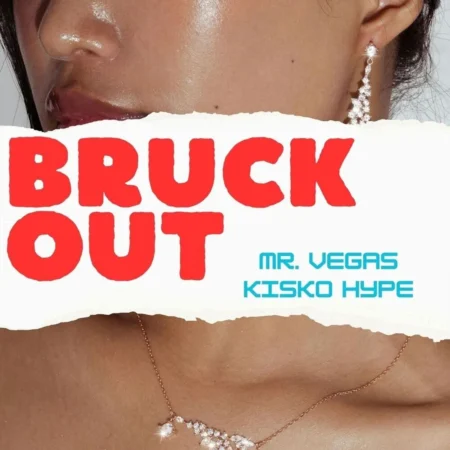
Jammys Records is the production imprint built around King
Jammy, one of the most important figures in Jamaican music. Closely
identified with the Waterhouse sound-system tradition, the Jammys
name is tied to the shift from roots reggae into digital dancehall,
and to the studio culture that helped define both eras. Jammy first
made his mark as a sharp engineer and producer in the late 1970s,
working with artists such as Black Uhuru before pushing Jamaican
music into a new technological age in the mid-1980s. His
breakthrough came with Wayne Smith’s “Under Mi Sleng Teng,” a
landmark release that helped usher in the digital dancehall era and
changed the way producers approached rhythm, programming, and
sound. From there, the Jammys catalog became a reliable home for
some of the hardest, most recognisable music in reggae and
dancehall, with recordings by artists including Tenor Saw, Cocoa
Tea, Shabba Ranks, Admiral Bailey, Ninjaman, and Bounty Killer.
What makes Jammys Records distinct is not just the hit-making, but
the way its productions bridge eras. The label grew out of Jammy’s
instinct for sound system competition, dub experimentation, and
disciplined studio craft, and that mix gave the music a lean,
powerful character that travelled easily from Jamaican dances to
international reggae collections. Through the 1990s, the imprint
stayed active and adaptable, issuing new riddims and continuing to
shape the language of dancehall while also preserving the authority
of its classic catalogue. Releases such as Cool And Deadly Riddim
and Thank You Father Riddim point to that long arc: a producer-led
label still rooted in heavyweight rhythm work, but always tuned to
the changing pulse of the genre.
Across decades, Jammys Records has remained one of the clearest
signatures of King Jammy’s wider legacy: a label associated with
invention, impact, and the kind of production detail that made
Jamaican popular music sound modern long before the rest of the
world caught up.