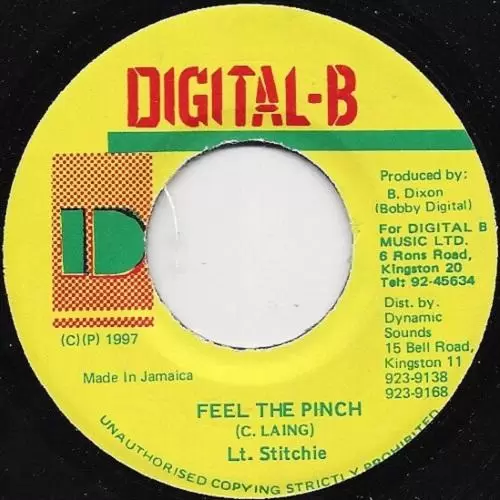

Lt Stitchie is one of dancehall’s most distinctive voices, a
Jamaican deejay whose rapid-fire delivery, witty storytelling, and
sharp sense of rhythm helped define the sound of the late 1980s and
early ’90s. Born Cleveland Laing in Spanish Town, he first worked
as a biology teacher before music pulled him fully into the
dancehall world, where his microphone style quickly set him apart.
He came up through sound systems and studio sessions, and his early
association with King Jammy helped turn him into a major name in
Jamaica and beyond.
What made Lt Stitchie stand out was the way he balanced humour,
social observation, and streetwise energy without losing clarity or
purpose. His lyrics could be playful and catchy, but they also
carried a teacher’s precision and a performer’s instinct for
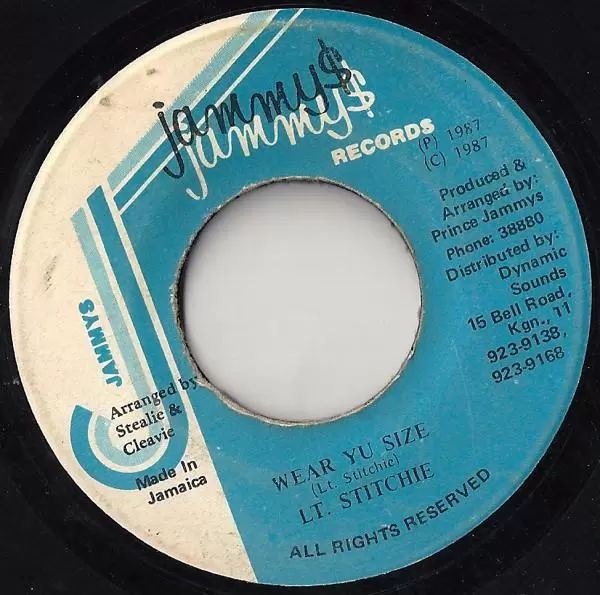
timing. That mix gave songs like “Wear Yuh Size” and “Natty Dread”
lasting appeal, while albums such as The Governor established him
as more than a passing dancehall sensation. He was part of a
generation that helped push deejay culture into the mainstream,
bringing fast-chat style and expressive local patois to wider
audiences.
His catalogue moved easily between tough-edged dancehall and more
melodic, accessible material, and that flexibility made him a
regular presence across influential riddims and compilations.
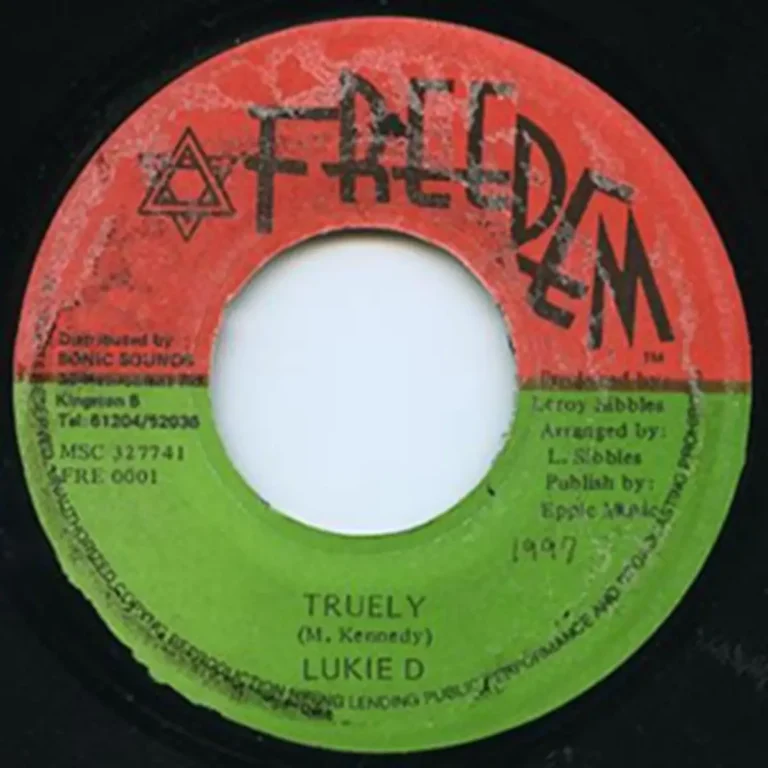
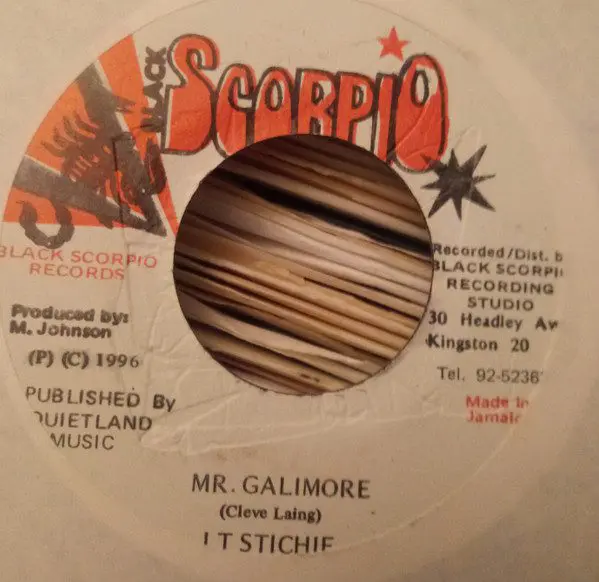
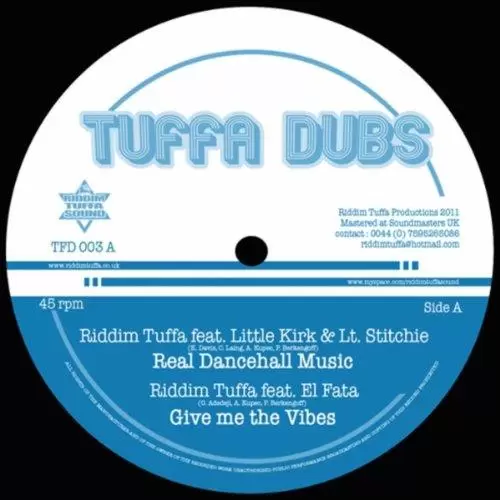
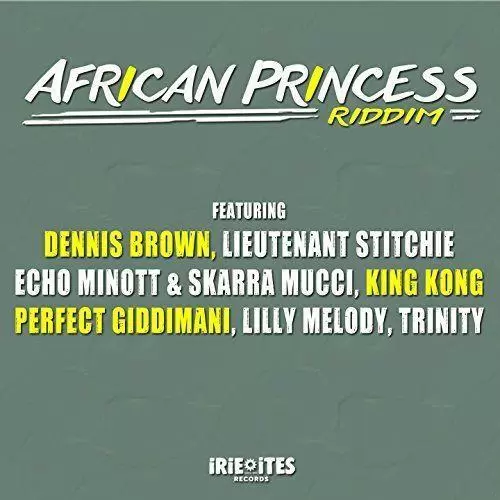
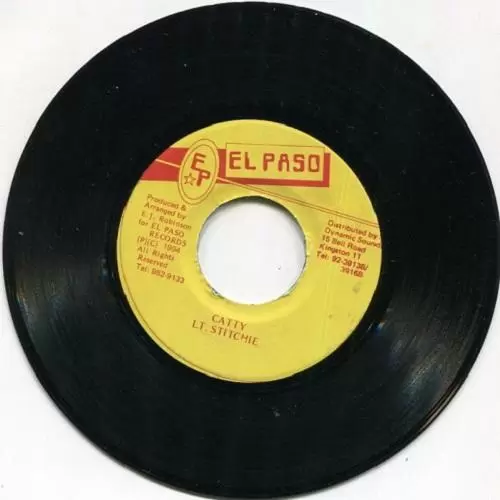
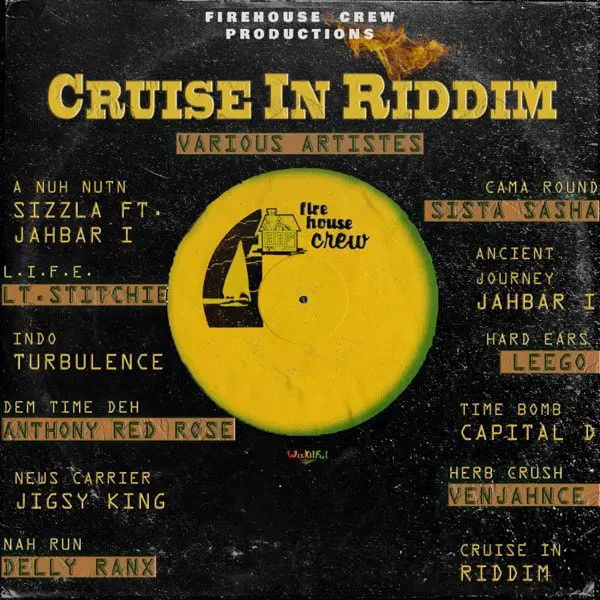
Releases associated with his name, including tracks that continued
to surface on dancehall sets and later collections, show how
durable his voice has remained in the genre. Even when the scene
shifted around him, his style stayed recognisable: animated,
tightly controlled, and rooted in Jamaican everyday life.
A personal turning point later led him toward gospel reggae, where
he continued performing with the same rhythmic confidence but a
more openly spiritual message. That transition deepened his legacy
rather than diminishing it, adding another dimension to an already
unusual career. Lt Stitchie’s story is that of a performer who
moved from the classroom to the sound system, from secular
dancehall to gospel, and in the process became a lasting reference
point for Jamaican vocal style and delivery.