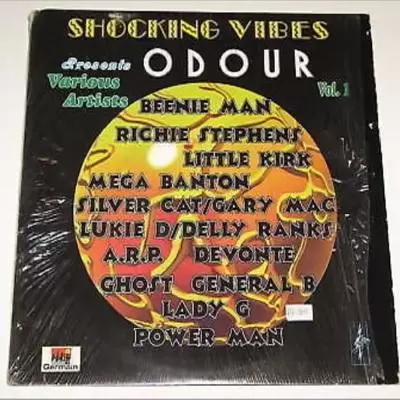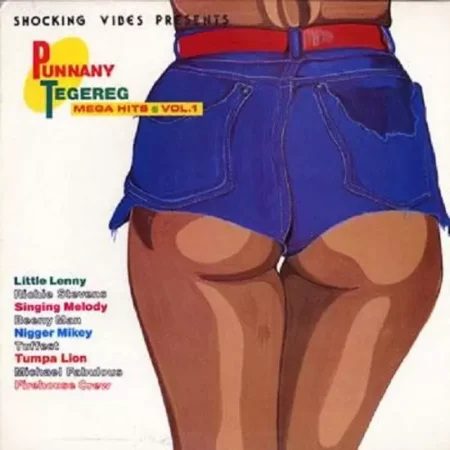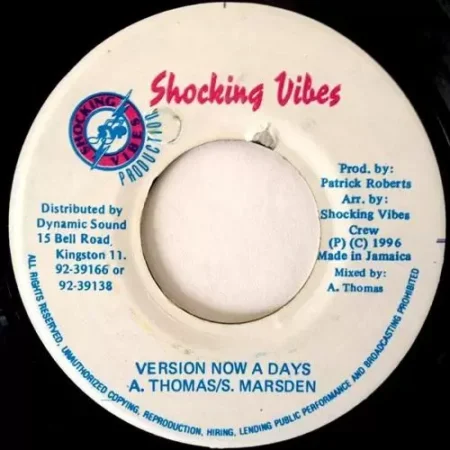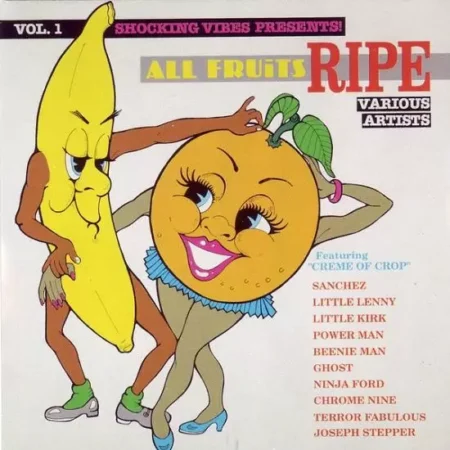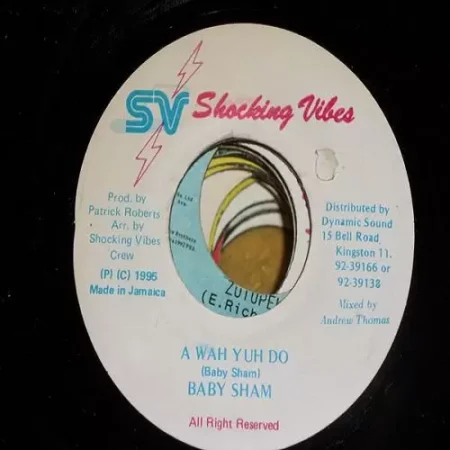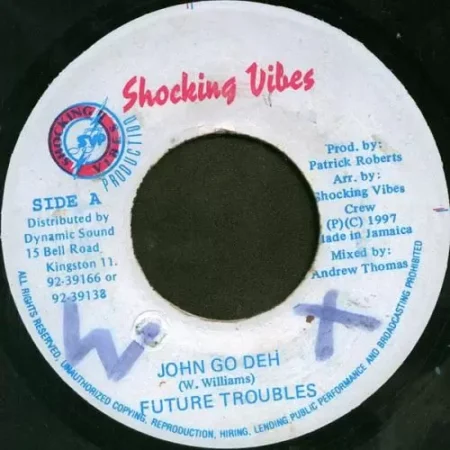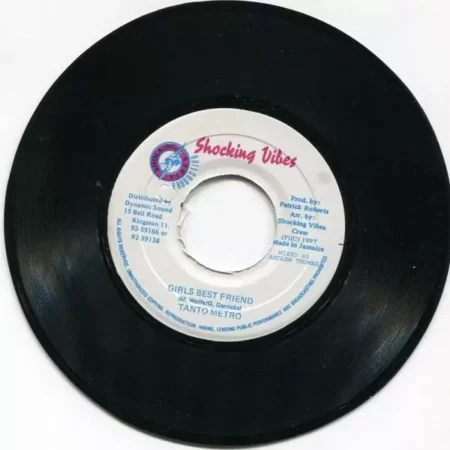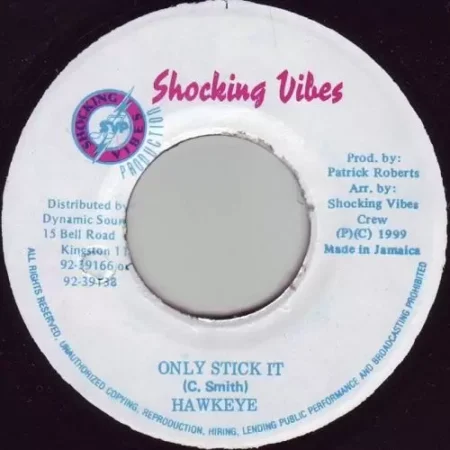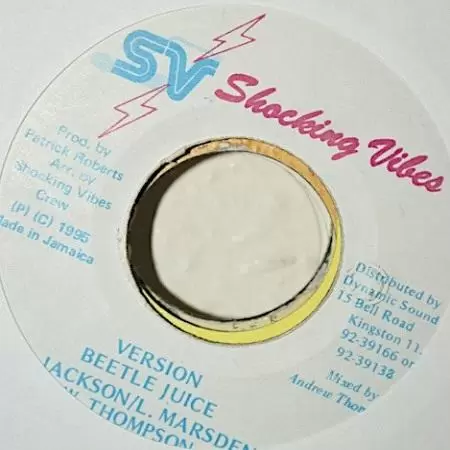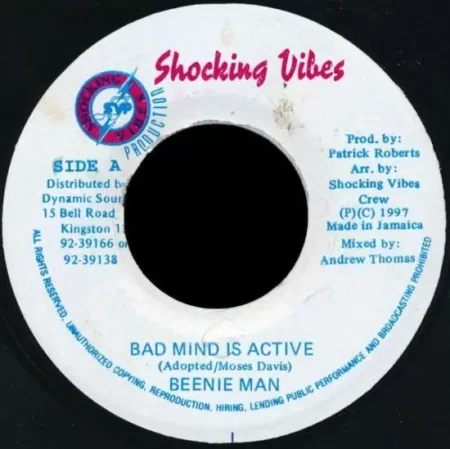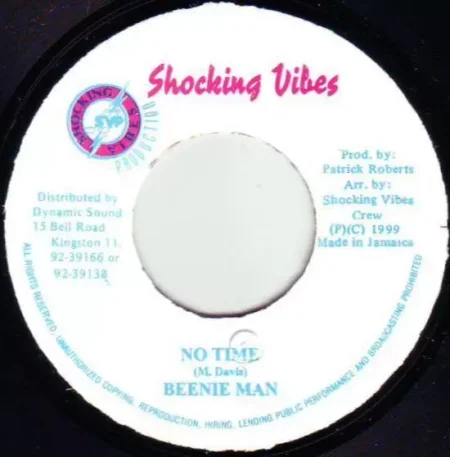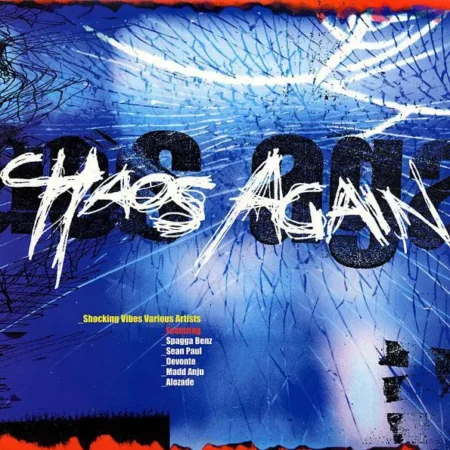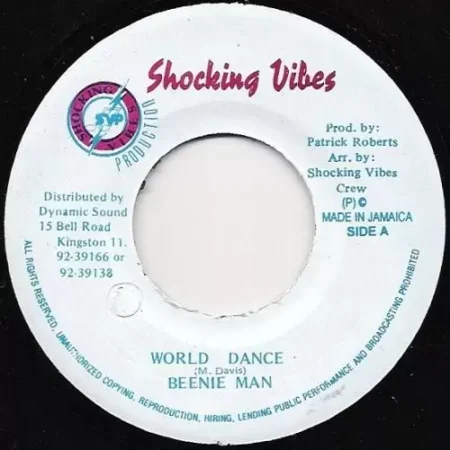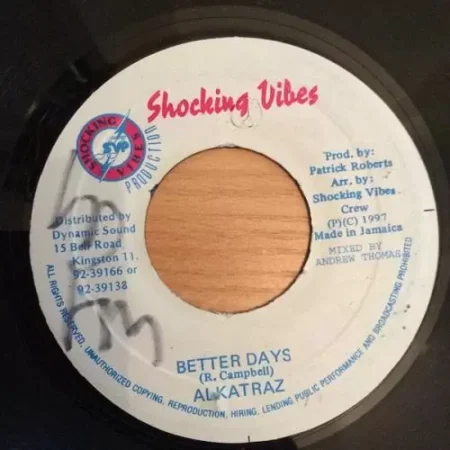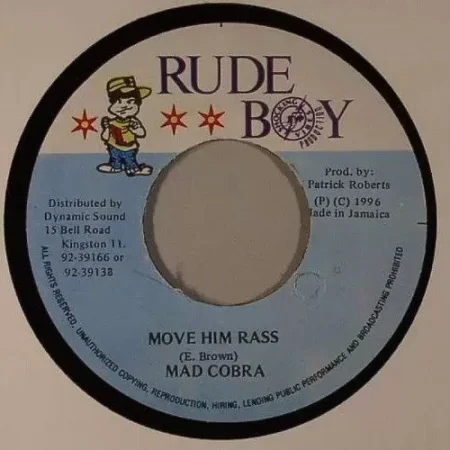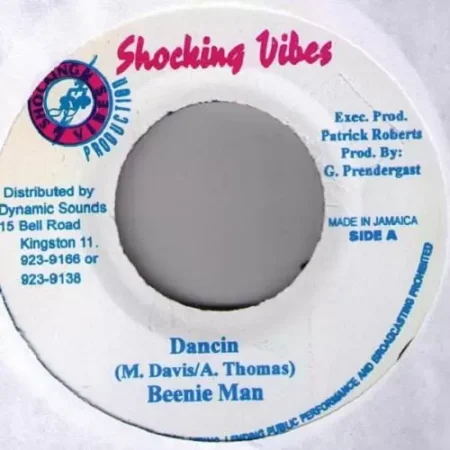

Shocking Vibes Records is one of the defining names in modern
Jamaican dancehall, the production house and label founded by
Patrick Roberts in Kingston in the late 1980s. Built around sharp
riddims, clean studio craft and a steady ear for what worked on the
street and on radio, Shocking Vibes became a reliable home for some
of the genre’s most durable artists and singles. Its reputation
rests less on a single signature sound than on consistency: sleek,
punchy productions that helped shape the club-ready direction of
1990s dancehall while still keeping close to the raw energy of
sound system culture.
The label’s rise was tied to an era when dancehall was becoming
more polished, more competitive and more international. Shocking
Vibes was at the center of that change, working with artists who
would help define the decade, including Beenie Man, Lady Saw,
Silver Cat, Little Kirk, Tanto Metro and Devonte. The label’s
catalogue moved easily between hard-edged party tunes and smoother
crossover-friendly cuts, which made it a regular presence in
Jamaican music throughout the 1990s and beyond. Releases such as
Punanny Nowadays Riddim and Odour Riddim show that long-running
knack for building rhythms that gave multiple voices room to cut
through.
Part of what made Shocking Vibes so important was its role as a
platform. It was not just a label issuing records; it was a
creative hub where producers, singers and deejays could test sounds
that reflected the moment. That approach helped the company stay
relevant as dancehall moved from local dominance to wider global
circulation. Even after periods of reduced activity, the name
continued to carry weight among collectors, selectors and fans who
associate it with a strong, era-defining stretch of Jamaican
music.
For listeners coming to the catalogue now, Shocking Vibes stands
for a classic dancehall balance: tough rhythm, memorable hooks and
a sense of discipline that kept the records moving. It remains one
of the most recognisable production names in the genre’s history,
especially for the years when Kingston’s studios were setting the
pace for dancehall around the world.